Brake pads do not wear out on a neat schedule. That is what makes the question tricky. One driver gets years out of a set, while another needs service much sooner, even with a similar vehicle and similar mileage.
The better answer is not one fixed number. It is a range, plus a clear look at how the car is being driven and what the brakes are already telling you.
How Long Do Brake Pads Typically Last
A lot of brake pads last somewhere between 25,000 and 70,000 miles. That is a wide gap, but it is realistic. Some cars spend most of their time on open roads and use the brakes lightly. Others live in traffic, stop constantly, and wear the pads down much faster.
That is why mileage alone does not settle the question. A car with 35,000 miles could be overdue, while another still has plenty of pad life left.
Why Driving Habits Change The Timeline
The brakes on a commuter car in stop-and-go traffic have a much harder life than the brakes on a vehicle that sees steady highway driving. Braking late, riding the brake pedal downhill, carrying heavy loads, and driving in crowded city conditions all wear pads faster.
Vehicle size also changes the picture. A heavier SUV or truck asks more from the brake system than a lighter sedan. The pads are still doing the same job, but under more stress.
What Drivers Notice Before The Pads Are Gone
Most cars give some warning before the brake pads are completely worn out. The trouble is that plenty of drivers wait too long because the car still stops. A squeal during light braking is one of the clearest early signs. A rougher stop, longer stopping distance, or a brake pedal that feels different can also point in the same direction.
A few signs deserve closer attention:
- Squealing during normal stops
- Grinding when the brakes are applied
- Longer stopping distance
- The brake pedal feels that has changed
- Vibration while slowing down
Grinding moves the problem into a different category. At that point, the pads may already be worn down enough to affect the rotors, too.
Why Waiting Too Long Gets Expensive
Brake pads are meant to wear. Rotors are far less happy about being dragged into the same repair. When the pads get too thin, braking heat rises, the contact gets rougher, and the system starts wearing in places that should have been protected.
That is how a basic brake job turns into a larger bill. The pad service itself is manageable. The damage that follows a delay is what costs more than drivers expected.
An Inspection Gives A Better Answer Than Guessing
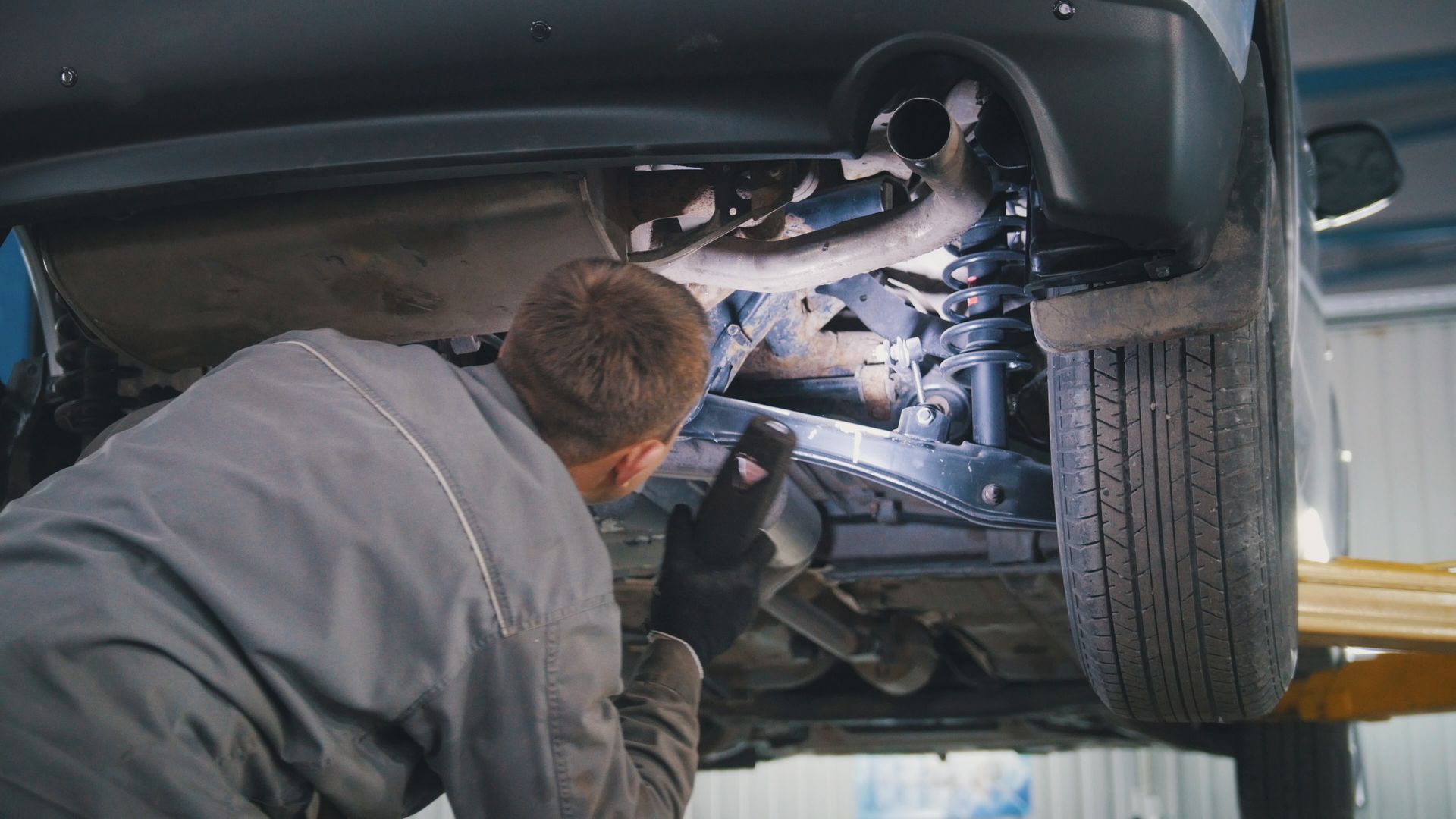
The most reliable way to know when brake pads need replacement is a proper inspection. Looking through a wheel opening can give a rough idea, but it does not always tell the full story. Pad thickness, rotor condition, hardware wear, brake feel, and the way the system is wearing side-to-side all deserve a closer look.
That is one reason regular maintenance helps so much here. A quick brake check during routine service can catch wear while the repair is still straightforward and before the car starts stopping less cleanly.
Front And Rear Pads Do Not Always Wear Together
Most drivers assume all four pads wear at the same rate. That is not how it works. Front brakes do more of the stopping, so front pads tend to wear faster. Rear pads can still need service, just on a different timeline.
That difference is another reason brake pad replacement is not something to time by memory alone. One axle can be ready long before the other, and waiting for both to wear evenly is not a smart plan.
The Best Time To Check Them
If the brakes have started making noise, feeling rougher, or taking more room to stop, the best time is now. If there are no symptoms, checking them at routine service intervals keeps the guesswork out. Drivers who wait for a loud warning sound sometimes find out the wear has already moved past the pads.
Brake pads do not need to be replaced too early. They should also not be pushed until the system starts paying for them elsewhere. There is a middle ground, and that is where a good shop check has real value.
Get Brake Service In Bradenton, FL, With Begley Auto Repair
If you are not sure how much brake pad life your car has left, Begley Auto Repair in Bradenton, FL, has two convenient locations where you can have your brakes checked and catch wear before it becomes a bigger repair.
Bring it in before a simple pad replacement turns into rotors, noise, and a much higher bill.