Oil change timing varies from driver to driver. Two cars can have the same engine, the same oil, and the same mileage, but need service at different times because of how they are driven every week.
That part gets missed all the time.
Mileage is still important, but it is not the whole story. Short trips, traffic, heat, towing, idle time, and engine age can all change how hard the oil works. A car used for quick errands around town may be tougher on oil than one that spends most of its time cruising on the highway.
Short Trips Are Hard On Engine Oil
Short trips can be rough on engine oil because the engine may not stay hot long enough to burn off moisture and fuel residue. A five-minute drive to school, work, or the store may feel easy, but the oil does not always get enough time at full operating temperature.
When moisture and fuel residue stay in the oil, they can reduce its ability to protect the engine. Over time, the oil can break down faster than expected, even with low mileage.
This is why cars driven mostly on short trips may need an oil change service sooner than the dashboard reminder suggests. The engine is doing many cold starts, but not enough long drives to clear out contamination.
Stop-And-Go Traffic Adds Engine Hours
Heavy traffic can age oil without adding many miles. The engine is still running at red lights, in school lines, in construction zones, or during slow traffic, but the odometer barely moves.
That idle time counts. Oil is still circulating, collecting heat, and carrying contaminants while the vehicle sits in place. The service interval may look fine by mileage, but the engine has spent many extra hours running.
Driving conditions that can shorten oil life include:
- Short trips that do not fully warm the engine
- Stop-and-go traffic with long idle time
- Frequent hot-weather driving
- Towing or carrying extra weight
- Repeated cold starts
- Long periods between services
If several of these sound familiar, a shorter oil change interval may be the better choice.
Hot Weather Can Make Oil Work Harder
Florida heat can be tough on engines. High outside temperatures, hot pavement, and slow traffic all make the cooling system and engine oil work harder. Oil helps carry heat away from internal parts that the coolant does not touch directly.
When oil is old or low, it cannot protect as well. Heat can also make small leaks more noticeable and accelerate wear in aging seals and gaskets.
A vehicle may still drive normally while the oil is getting tired. That is why regular maintenance should match the conditions the car actually sees, not only the mileage printed on an old service sticker.
Towing And Heavy Loads Change The Schedule
A vehicle that tows, carries tools, hauls equipment, or regularly drives with a full cabin puts more load on the engine. More load creates more heat and more demand for oil.
The same goes for vehicles that climb hills often or spend time in hard acceleration. The engine is working harder, so the oil is working harder too.
Manufacturer schedules often include normal and severe service recommendations. Many drivers are surprised to learn their everyday routine fits closer to severe service than normal service. That does not mean the car is being abused. It means the oil change schedule should reflect real use.
Oil Level Is Just As Important As Timing
Even if the oil change interval is correct, the engine can still run low between services. Some engines use oil as they age. Others leak from valve cover gaskets, oil pans, oil filter housings, drain plugs, or seals.
A clean driveway does not always prove that there is no leak. Oil can collect on splash shields, burn off on hot parts, or spread beneath the vehicle before dripping.
Drivers should check the oil level between services, especially before long drives. If the level keeps dropping, that is not something to ignore until the next oil change. The cause should be found during an inspection.
Warning Signs Your Oil Needs Attention
Oil problems do not always start with a warning light. Sometimes the clues are smaller, and catching them early can help prevent engine wear.
Watch for these signs:
- Burnt-oil smell after driving
- Oil spots under the vehicle
- Ticking or rattling at startup
- Oil level dropping between services
- Oil that looks thick, gritty, or milky
- Oil warning light or low oil message
An oil pressure warning is serious. If it comes on while driving, pull over safely and shut the engine off. That warning is not the same as a maintenance reminder.
The Best Oil Change Interval Depends On Your Driving
The right oil change interval should be determined by the owner’s manual, the correct oil specification, the vehicle's condition, and how it is driven. A driver who takes longer highway trips may be able to follow a different schedule than someone who makes mostly short local trips.
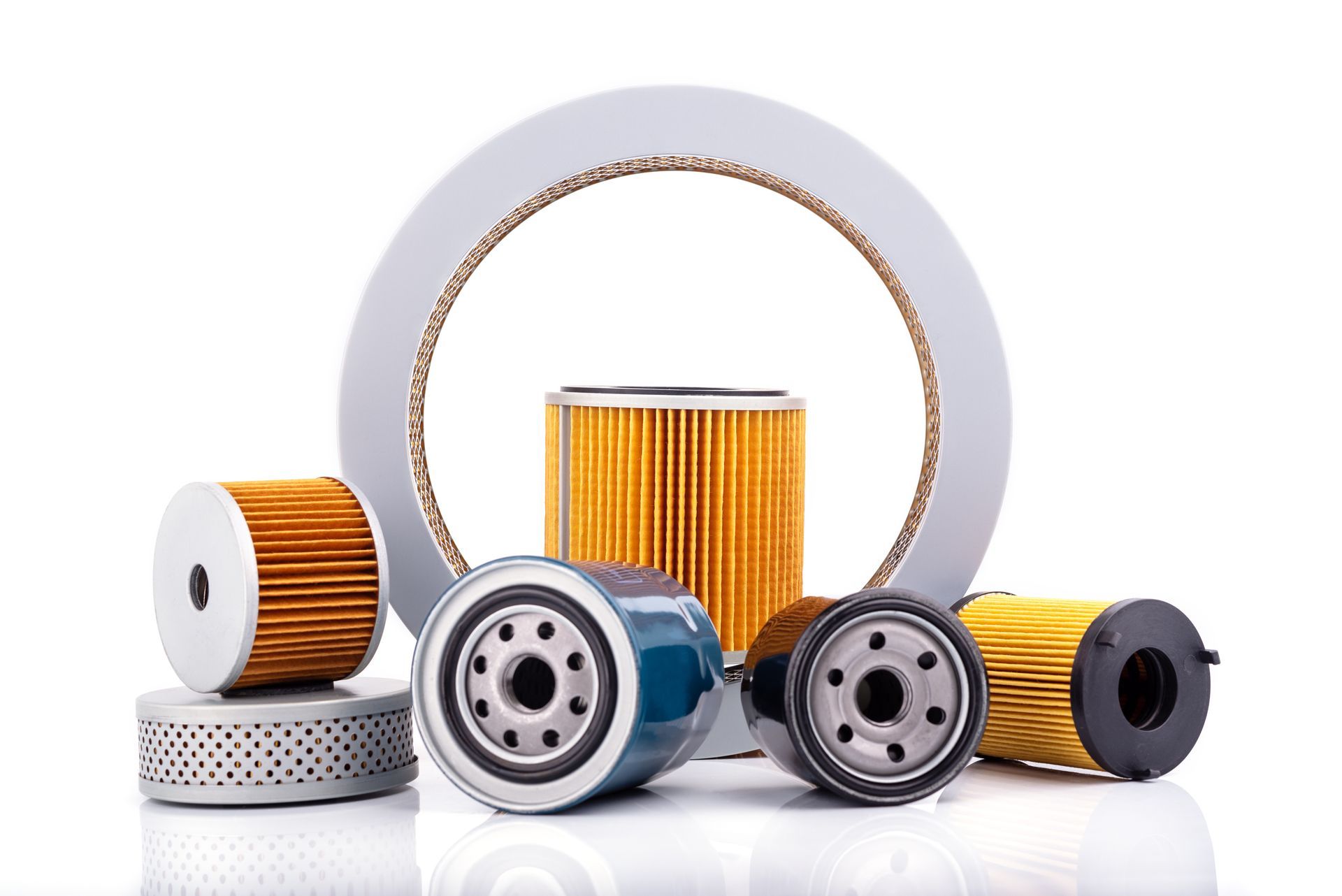
Oil type matters too. Modern engines often need oil that meets a specific manufacturer's approval, not only a certain viscosity. The filter should also match the vehicle’s needs because clean oil still has to pass through a filter that can do its job.
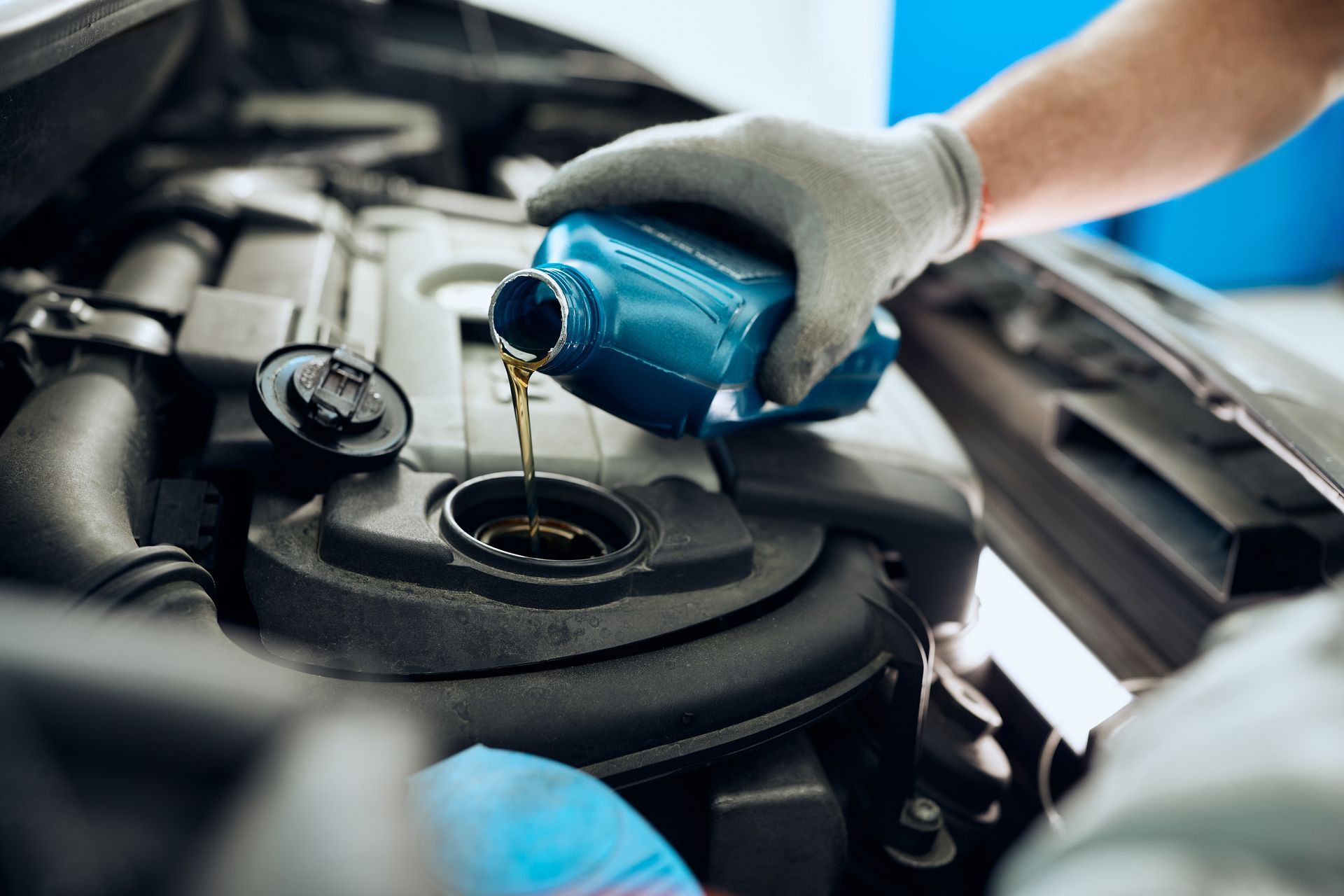
A good oil change service should include the right oil, a quality filter, proper level check, leak check, and a quick look at related concerns.
Get Oil Change Service In Florida, With Begley Auto Repair
If your vehicle sees short trips, traffic, heat, towing, or oil level changes between services, Begley Auto Repair, with two locations in Bradenton, FL, can help you choose an oil change schedule that fits how you actually drive.
Schedule a visit and keep your engine protected before old or low oil turns into a larger repair.