Car filters are easy to forget because most of them stay hidden until service time. You do not see them working, and you may not think about them unless the A/C smells odd, the engine feels sluggish, or an oil change is due.
Still, filters protect some of the most important systems in your vehicle. They keep dirt, debris, metal particles, pollen, fuel contamination, and fluid buildup from causing trouble. When filters get clogged or neglected, the symptoms can feel unrelated at first. A small filter issue can manifest as poor airflow, lower fuel economy, rough running, dirty oil, or increased wear on expensive parts.
1. Engine Air Filter
The engine air filter keeps dirt and debris from entering the engine. Every mile you drive, the engine pulls in air for combustion. That air needs to be clean so dust, sand, leaves, and road grit do not make their way into the intake system.
A dirty air filter can restrict airflow and make the engine work harder than it should. You might notice weaker acceleration, reduced fuel economy, or a check engine light on some vehicles. The filter can also get dirty faster in dusty areas, construction zones, or heavy traffic.
Replacing the engine air filter is usually straightforward, but it should still be done with the correct filter for the vehicle. A poorly fitting filter can let unfiltered air pass around the edges, defeating the purpose.
2. Cabin Air Filter
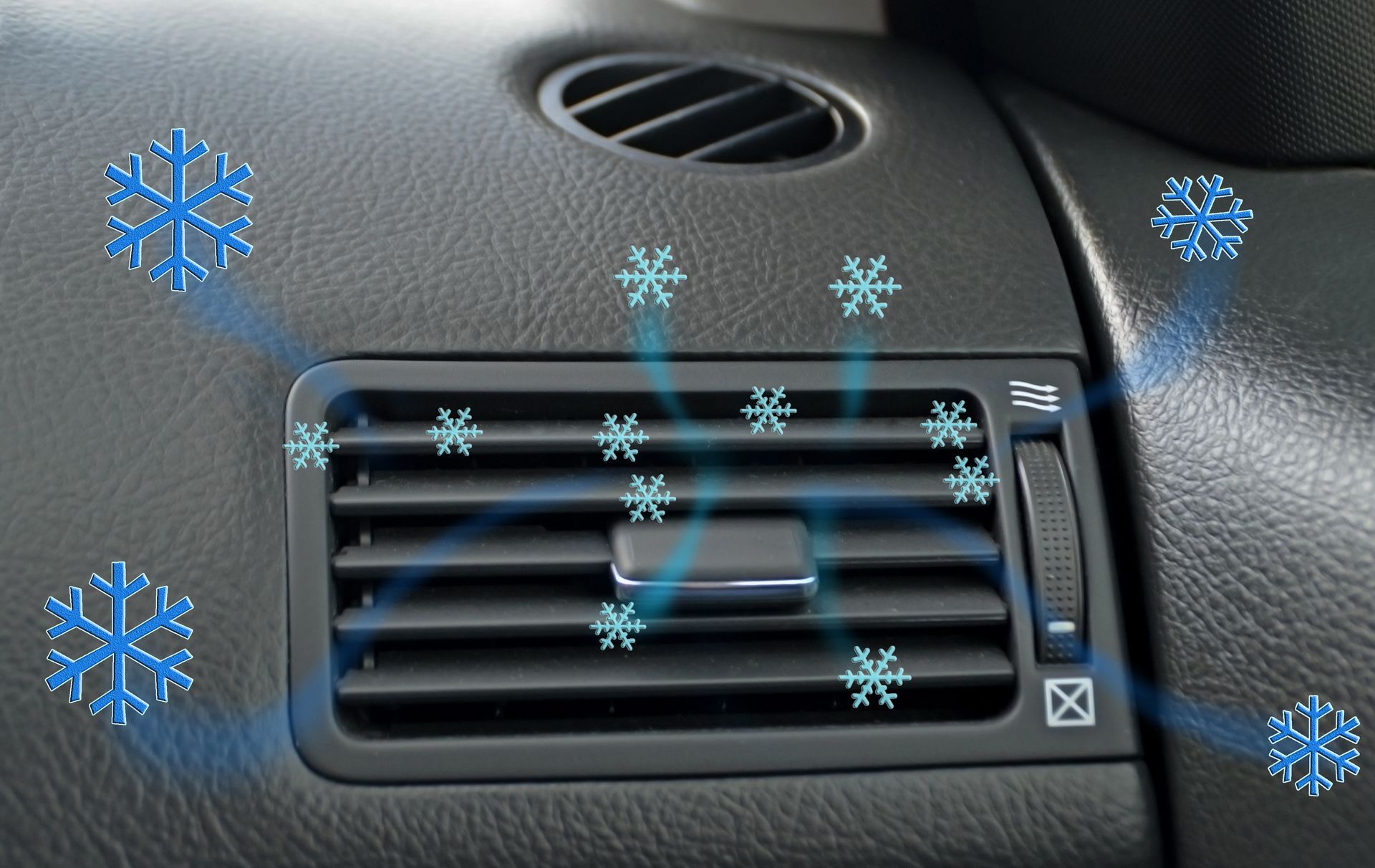
The cabin air filter cleans the air that comes through your vents. It catches dust, pollen, leaves, and other particles before they enter the cabin. If you drive with the windows up and the A/C on, this filter has a bigger effect on comfort than many people realize.
When it clogs, airflow from the vents can feel weak. The fan may sound loud, but not much air comes out. You may also notice a musty smell, more dust inside the cabin, or windows that fog more easily.
A clogged cabin air filter does not usually damage the engine, but it can make the HVAC system work harder. In Florida heat, weak airflow can make the A/C feel worse even when the cooling system itself is still working.
3. Oil Filter
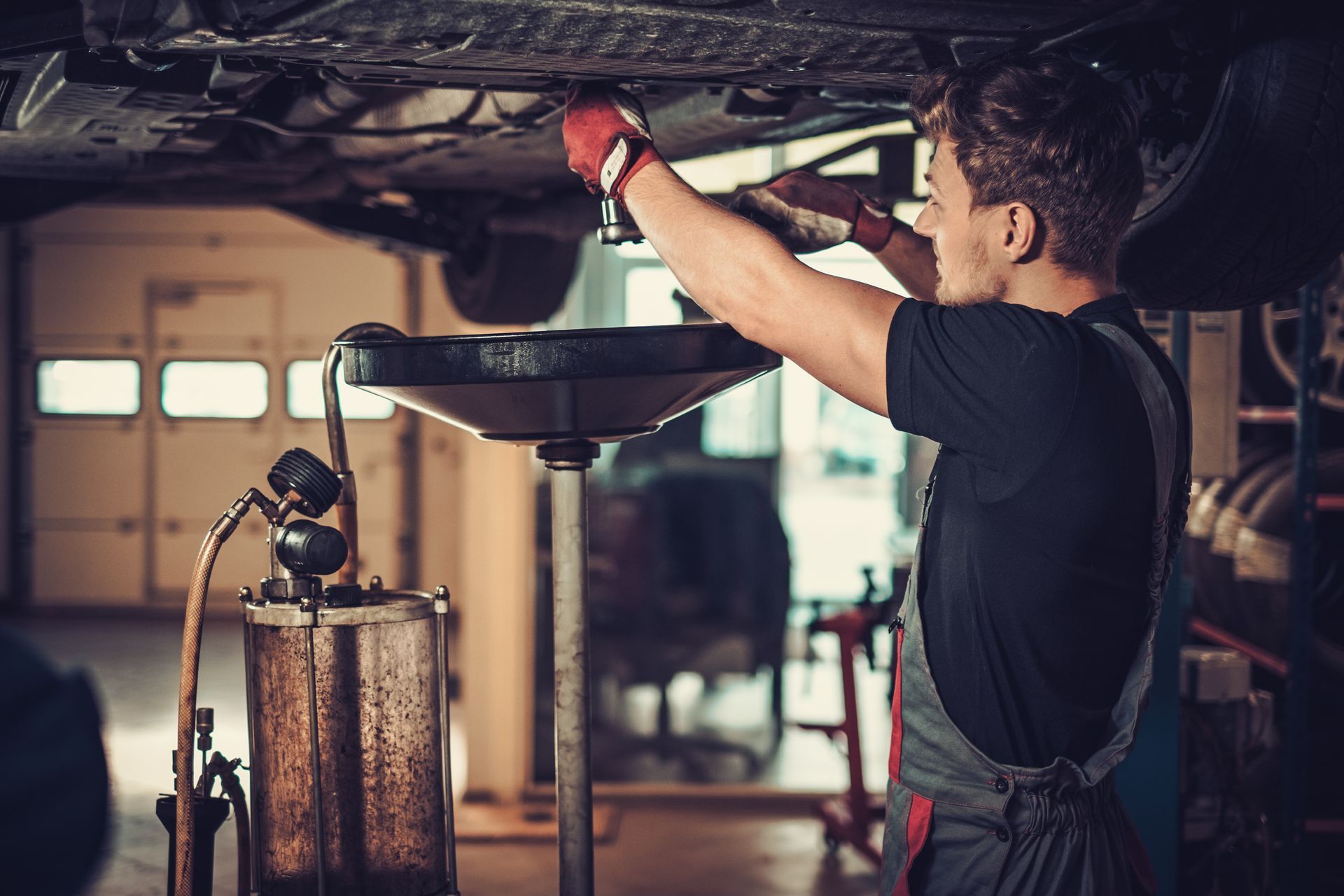
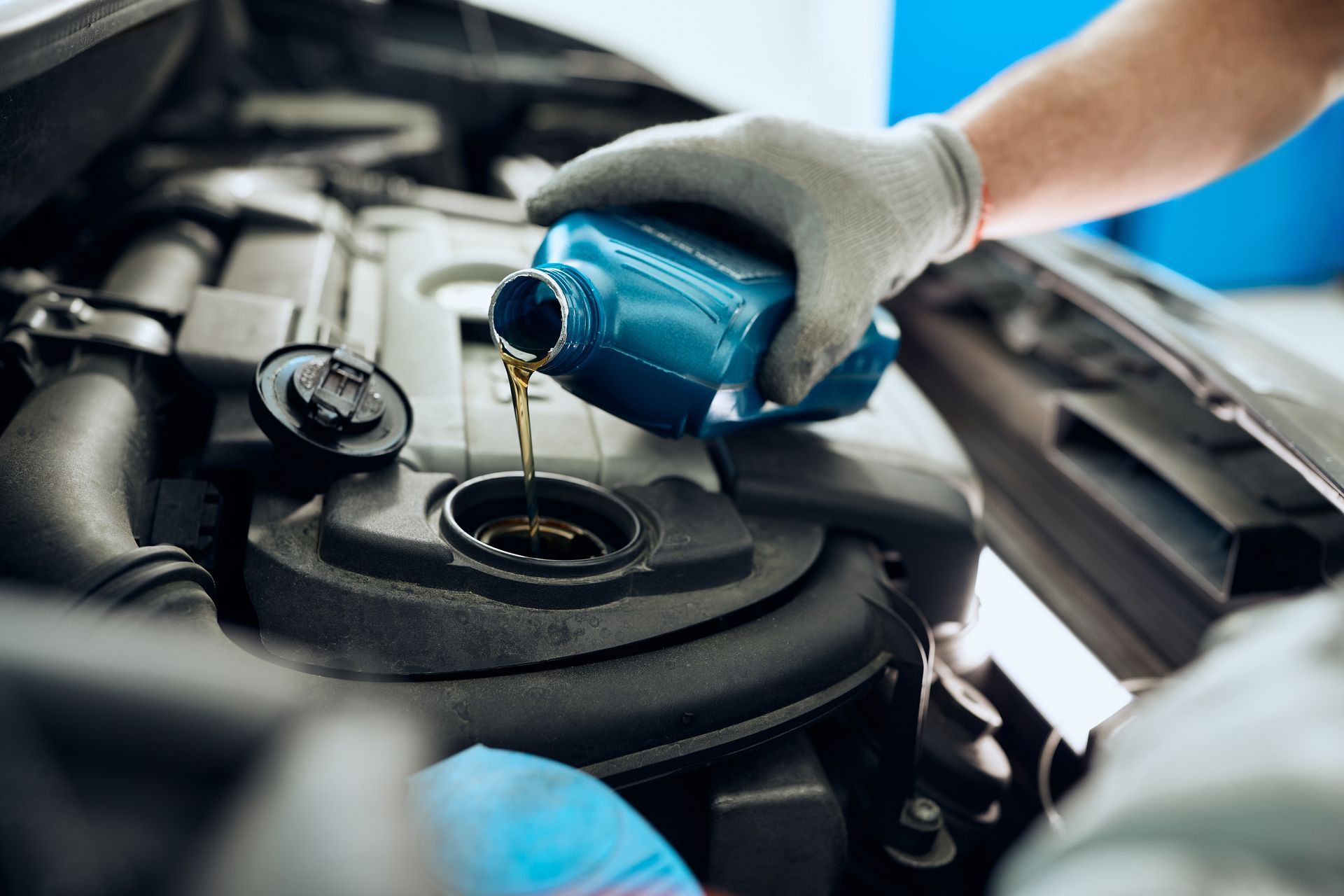
The oil filter removes particles from engine oil as it circulates. Oil picks up tiny metal particles, dirt, and combustion byproducts while it protects moving parts. The filter traps contaminants, allowing cleaner oil to keep moving through the engine.
If the oil filter stays in service too long, it can become restricted or less effective. Fresh oil should not be sent through an old filter that is already packed with debris. That is why oil and filter service go together.
A quality oil filter is important, too. The engine depends on proper oil flow, especially during startup and high heat. Regular maintenance with the right oil and filter helps protect bearings, timing components, camshafts, and other internal parts that are expensive to repair.
4. Fuel Filter
The fuel filter helps keep dirt and contamination out of the fuel system. Not every modern vehicle has an easily serviceable fuel filter, but the vehicles that do still need it checked or replaced according to the service plan.
A restricted fuel filter can cause hard starts, hesitation, poor acceleration, rough running, or weak power under load. The engine may run fine at idle, but struggle when you press the gas because it cannot get enough fuel.
Fuel system symptoms should be tested before replacing parts. A weak fuel pump, dirty injector, sensor issue, or fuel pressure problem can feel similar. Still, the fuel filter is worth knowing about because restricted fuel flow can create problems that seem bigger than they are.
5. Transmission Filter
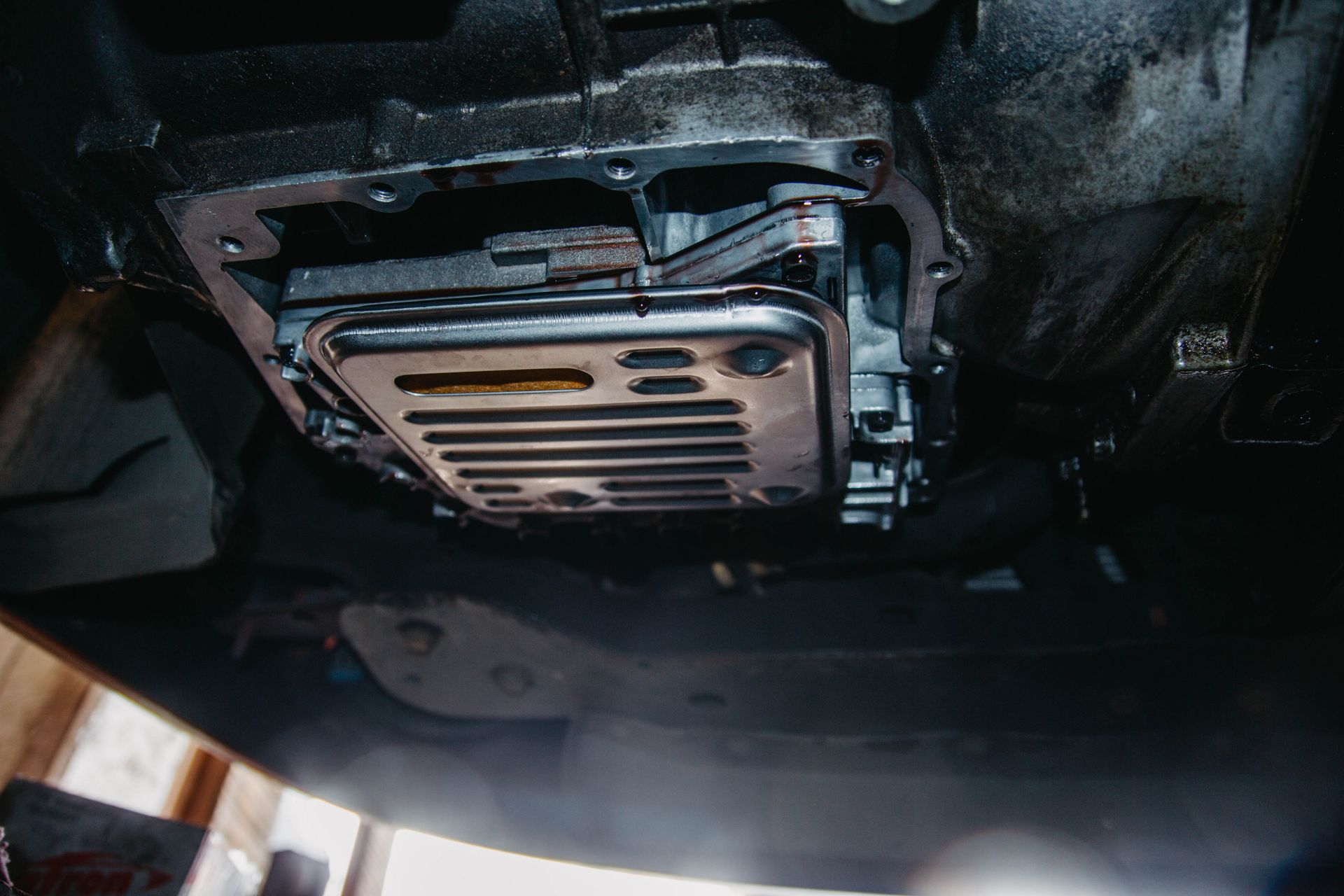
Some automatic transmissions use a filter to catch debris in the transmission fluid. Transmission fluid handles lubrication, cooling, pressure, and shifting. As internal parts wear normally, the filter helps keep particles from circulating through the system.
A clogged or neglected transmission filter can contribute to delayed shifting, slipping, harsh engagement, or overheating. Not every vehicle has the same service setup. Some transmissions have replaceable filters, while others require different procedures or have filters that are not serviced separately during routine work.
Transmission service should always use the correct fluid and process. Adding the wrong fluid or skipping needed steps can create new problems. If the vehicle is shifting oddly, the fluid, filter, leaks, and transmission data should be checked together.
Signs A Filter May Be Overdue
Filter problems can show up in quiet ways before they feel serious. A few signs are worth noticing:
- Weak airflow from the vents
- Musty smell when the A/C turns on
- Poor fuel economy
- Hesitation during acceleration
- Dirty or dark engine oil
- Hard starts
- Rough idle
- Delayed or harsh shifting
Those clues do not all point to the same filter, and they do not prove the filter is the only problem. They do tell you the vehicle needs an inspection before a simple service item gets blamed too late or overlooked completely.
Get Filter Replacement In Bradenton, FL, With Begley Auto Repair
If your vehicle is due for engine air filter, cabin air filter, oil filter, fuel filter, or transmission filter service, Begley Auto Repair can help at our two locations in Bradenton, FL.
For filter replacement,
regular maintenance, and clear service recommendations before problems start,
contact us to schedule an appointment.