Transmission fluid does several jobs at once. It lubricates gears and bearings, helps control hydraulic pressure, carries heat away from internal parts, and in many automatic transmissions, plays a direct role in how clutches engage.
Because the fluid works under heat and pressure every time you drive, it does not stay in the same condition forever. The difficult part is that there is no universal mileage when every transmission needs service. The right interval depends on the transmission design, fluid type, vehicle manufacturer, and how the vehicle is used.
Start With the Manufacturer's Service Schedule
The owner's manual or factory maintenance information is the best place to begin. Some vehicles call for transmission fluid replacement at a specific mileage, while others use longer intervals or list different schedules for normal and severe driving.
At our shop, we identify the exact transmission before recommending service. Two vehicles from the same manufacturer can use completely different fluids and procedures. A conventional automatic, CVT, and dual-clutch transmission should not be treated as though they all have the same maintenance needs.
If the service history is unknown, that changes the conversation. We look at mileage, fluid condition where it can be checked, transmission behavior, and the requirements for that specific vehicle before deciding what makes sense.
Driving Conditions Can Shorten the Interval
Transmission fluid tends to age faster when the transmission spends more time under heat or heavy load. A lightly driven commuter car may have an easier life than a vehicle that regularly tows or spends hours in slow traffic.
Conditions that can be harder on transmission fluid include:
- Frequent towing
- Heavy cargo loads
- Stop-and-go traffic
- Long periods of idling
- Mountain driving
- High ambient temperatures
- Repeated short trips
Those conditions do not automatically mean the fluid needs to be changed far earlier than recommended. They do give us a reason to pay closer attention to the severe-service schedule when the manufacturer provides one.
Transmission Fluid Changes as It Ages
Fresh transmission fluid has carefully balanced friction, lubrication, and heat-control properties. Over time, heat cycles and internal wear introduce contaminants and change how well the fluid performs.
The fluid may become darker, but color by itself does not tell us whether the transmission is healthy. Some fluids naturally darken in normal service. A burnt odor, heavy debris, unusual material in the pan, or shifting problems gives us much more useful information.
During an inspection, we also look for leaks. A transmission that is losing fluid has a different problem from one that is simply due for scheduled service. Replacing the fluid does not fix a leaking seal, cooler line, pan gasket, or damaged housing.
A Fluid Change Is Maintenance, Not a Repair for Every Shift Problem
One mistake drivers make is assuming fresh fluid will solve any transmission symptom. If the transmission is already slipping, banging into gear, delaying engagement, or setting fault codes, we want to diagnose those symptoms before treating fluid service as the cure.
Old fluid can contribute to poor operation, but mechanical wear, solenoid problems, valve-body faults, clutch damage, or electronic issues can create the same complaints.
At Begley Auto Repair, we want to know whether the transmission is due for regular maintenance or already showing signs of a fault. Those are two different situations and may call for very different work.
Changing Fluid and Flushing Are Not Always the Same
A basic transmission fluid change usually removes only part of the fluid because some remains inside the torque converter, valve body, cooler, and internal passages. A transmission flush exchanges a much larger portion of the old fluid.
Neither method is automatically best for every vehicle. Some manufacturers specify a drain-and-fill procedure, while others require specific equipment or temperature conditions to check the final level.
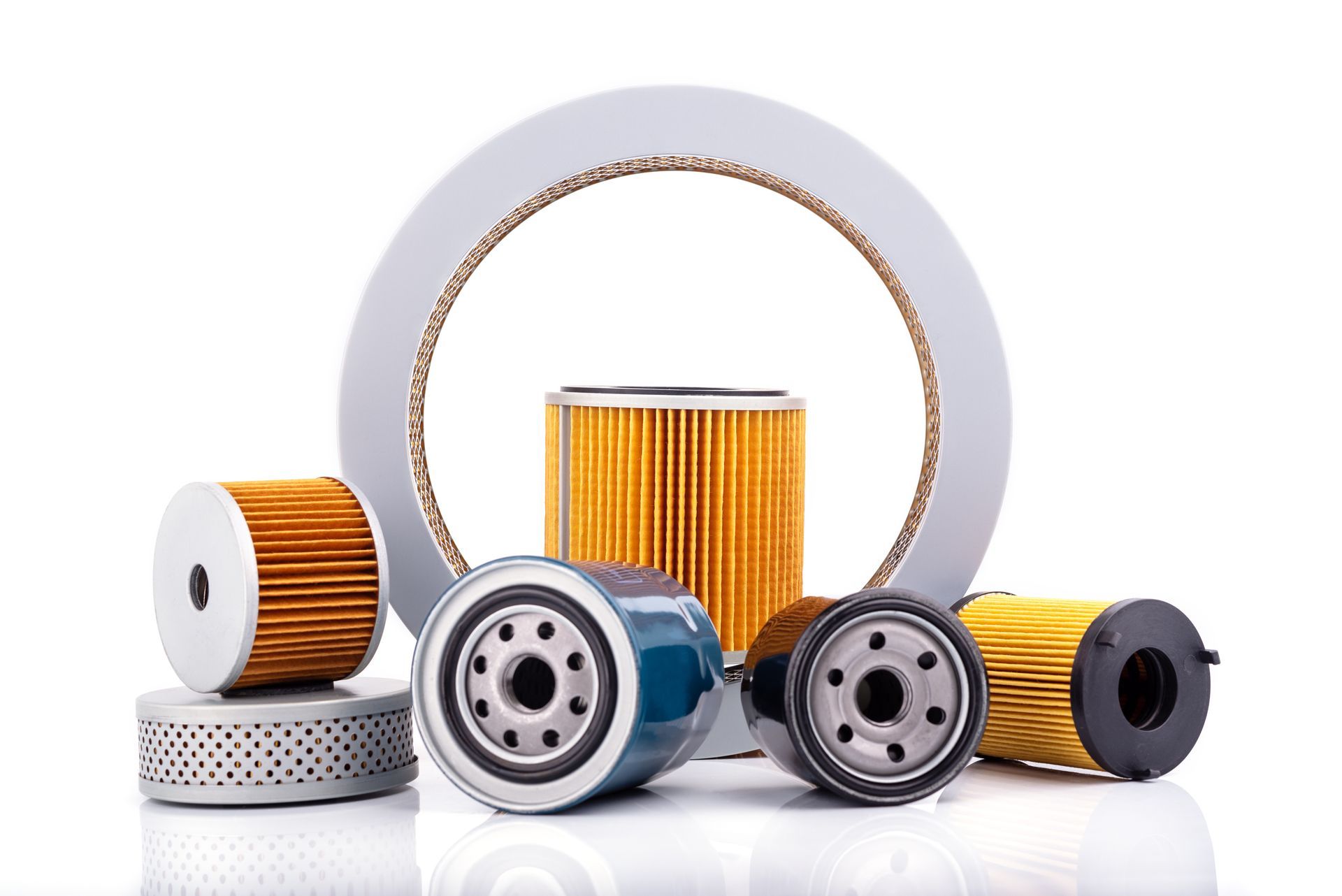
The filter may also need replacement on certain transmissions. On others, the filter is internal and is not part of normal scheduled service. We follow the procedure designed for the transmission instead of applying the same flush package to every car.
The Correct Fluid Specification Is Critical
Transmission fluids are not interchangeable just because they are all red, amber, or labeled automatic transmission fluid. Different transmissions require different friction characteristics, viscosity, additives, and temperature performance.
CVTs require their own fluids. Dual-clutch transmissions may use a specialized fluid completely different from a conventional automatic. Even traditional automatics can have very specific manufacturer requirements.
Using the wrong fluid can affect shift quality and internal lubrication. That is why we verify the exact specification before adding or replacing anything.
Do Not Wait for the Transmission to Feel Bad
A transmission does not need to shift poorly before fluid service becomes worthwhile. Scheduled service replaces aging fluid before wear or heat causes a noticeable drivability problem.
Keeping records helps here. If you know when the fluid was last changed, it is much easier to plan the next service instead of waiting until mileage and history become uncertain.
If the fluid has never been serviced and the vehicle has very high mileage, we take a closer look before making a recommendation. The condition of the transmission matters just as much as the number on the odometer.
Get Transmission Fluid Service In Florida, With Begley Auto Repair
If you are not sure when your transmission fluid was last changed, Begley Auto Repair at our two Bradenton, FL locations can review the service history, check the transmission's condition, and determine which fluid and procedure your vehicle requires.