The dashboard says you're averaging 31 miles per gallon, but the numbers from your last fill-up suggest something closer to 28. Which figure is correct? The answer depends on what each one measures and how the trip was recorded. Fuel economy displays are valuable for spotting trends, yet they're still estimates based on vehicle data. A careful comparison prevents a normal difference from being mistaken for an engine problem.
How the Dashboard Estimates Miles Per Gallon
A vehicle's trip computer calculates fuel economy from estimated fuel use and distance traveled. It often uses engine-management data such as injector operation and other measured or modeled values to estimate consumption. Distance generally comes from the vehicle's own motion and speed information. Different manufacturers filter and display those calculations differently, so two vehicles can produce different levels of accuracy under similar conditions.
The display doesn't measure exactly how many gallons entered the tank at the gas station. It also may round the result to a whole number or a tenth, making a small discrepancy look more definite than it is. Some vehicles show separate trip and lifetime averages. Check which counter you're reading before comparing it with a receipt. An inspection becomes relevant when fuel use changes sharply alongside performance symptoms.
Calculate Fuel Economy From Repeated Fill-Ups
For a gasoline or diesel vehicle, a practical check is to record the miles traveled since the previous fill-up and divide that distance by the gallons added at the next comparable full fill. If you drove 300 miles and then added 10 gallons, the calculated result is 30 mpg. Use the same pump-filling method and avoid topping off after the nozzle stops. Reset a trip meter when you fill the tank, or record the odometer reading.
Suppose you travel 336 miles before a fill-up takes 12 gallons. That tank works out to 28 mpg, even if the dashboard showed 30 mpg. Neither number describes every future trip. Around Bradenton, A/C use, short errands, and idle time can change the average before a mechanical fault enters the picture.
One tank isn't a laboratory measurement. Pump shutoff sensitivity, parking slope, fuel temperature, and how full the tank was at the start affect the result. Compare several consecutive tanks to reduce those variations. A forgotten partial fill or unusual idling period can skew a short sample. Keeping receipts and maintenance records provides more convincing evidence than arguing over a single decimal place on the dashboard.
Short Trips and Idling Change the Average Quickly
Fuel economy displayed during a short winter trip often looks poor because the engine runs rich during warm-up and may idle before the car moves. The trip computer counts fuel burned while stopped, yet no miles are being added to the average. Driving a few blocks to the store produces a different result from a long steady highway journey. Hot weather and air-conditioning demand add another variable in Florida.
A low average after several errands doesn't necessarily mean the oxygen sensors or fuel injectors need replacement. Compare similar routes under similar conditions. If the display drops immediately after the trip meter is reset, that's expected because a small amount of driving has an outsized effect on the calculation. We consider the driving pattern and check for other symptoms before proposing diagnostic testing for an apparent decline.
Tire Pressure and Vehicle Condition Still Affect Real MPG
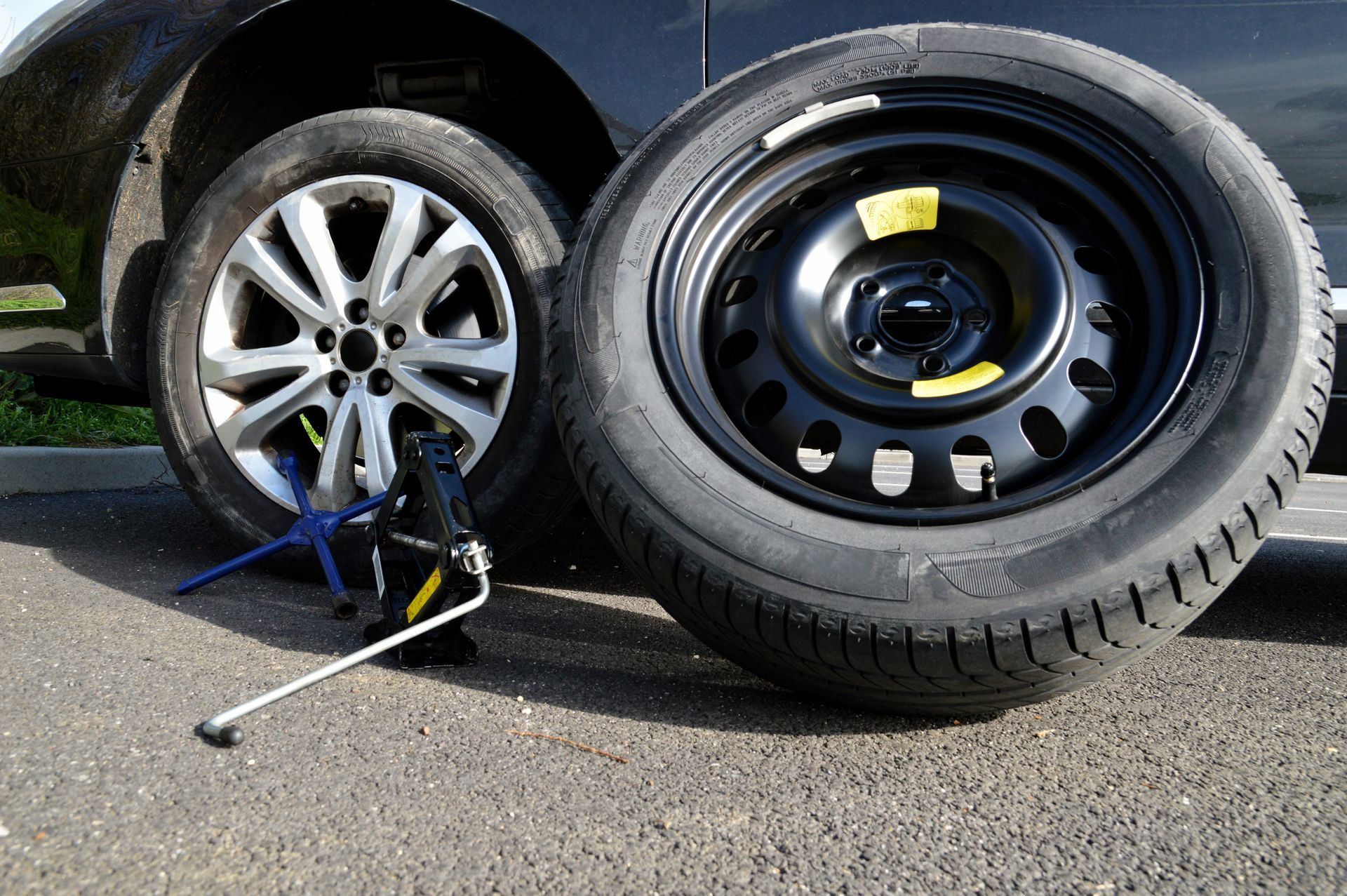
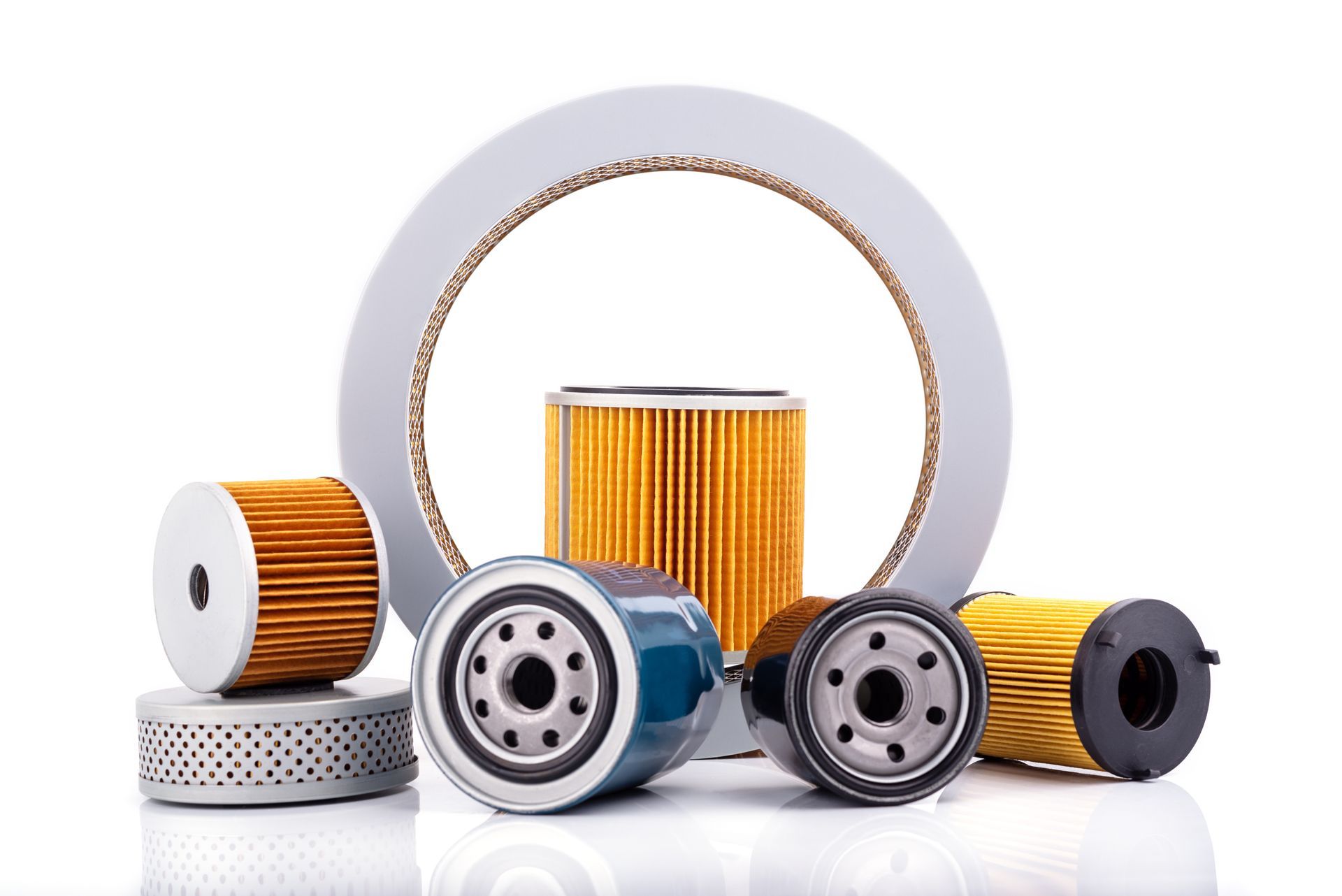
Low tire pressure raises rolling resistance and changes how hard the engine must work. A dragging brake, poor wheel alignment, or excessive cargo load can have similar consequences. Dirty air filters on some older engine systems and certain engine-control faults also affect efficiency, although no single maintenance item guarantees a specific mileage improvement. If the car hesitates, runs roughly, or has a warning light, the cause needs separate investigation.
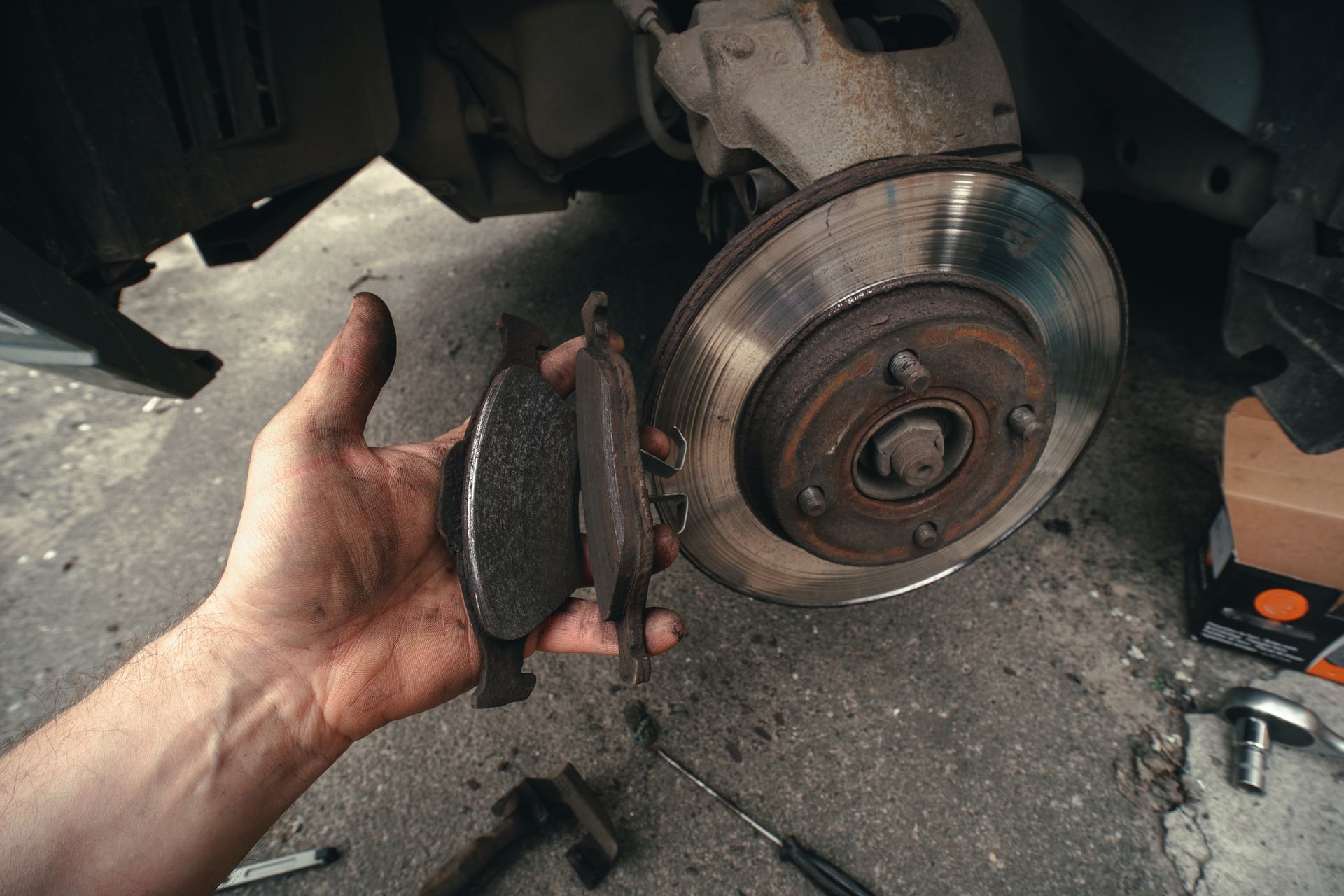
During an inspection, we look at tire condition, brake behavior, and relevant engine data when a driver reports a persistent increase in fuel consumption. A fuel-economy display isn't a repair instruction. A sensor code identifies a circuit or system condition, not automatically a defective component. Accurate maintenance records help establish when the trend started and what changed at that time.
Rapid acceleration, high cruising speed, repeated hard braking, and prolonged idling increase fuel use in different ways. On a highway, aerodynamic resistance rises quickly as speed increases, especially with roof cargo. Stop-and-go traffic involves frequent acceleration and little time traveling steadily. The computer responds to those conditions, so the average can change substantially within one week of different driving.
Use the display to observe broad trends, not to chase a changing number every minute. Trying to maximize an instant MPG reading while merging or climbing a hill can distract from driving safely. A steady average over multiple comparable trips is more informative. If fuel consumption suddenly deteriorates with no change in route, weather, load, or driving style, note the pattern and arrange a focused inspection.
Hybrids and Different Display Modes Add Complexity
A hybrid may travel short distances using electric power while the engine remains off. Its displayed fuel economy can swing widely over a short trip because the computer includes periods of zero gasoline use. Some vehicles show an energy-use screen that isn't directly comparable with a conventional mpg average. Plug-in hybrids introduce another complication because some of the trip's energy came from the electrical grid.
When the Difference Warrants Inspection
A small, consistent gap between dashboard and pump calculations is common. A growing discrepancy needs closer review, especially if you see fuel odors, warning lights, rough running, or leaks. Check basic records first because a partial fill or incorrect trip meter often explains the arithmetic. If the measurements remain far apart over several tanks, we can review relevant sensor data and system operation.
A clear history helps an inspection focus on actual fuel consumption and related symptoms, not a display number alone.
Get Fuel Economy Diagnostic and Maintenance in Bradenton, FL, With Begley Auto Repair
Begley Auto Repair in Bradenton, FL, can discuss fuel-economy concerns using your driving history and service information. Ask which maintenance or inspection steps fit the symptoms.